Assessing the Effects of Medical Service Quality on Customer Satisfaction in Sher Ethiopia Hospital, Batu
Shumi Abe Ararso* and Suhyel R
Published Date: 2025-04-17DOI10.36648/2471-9927.11.2.156
Shumi Abe Ararso* and Suhyel R
Department of Business Administration, Rift Valley University, Oromia Region, Ethiopia
*Corresponding Author:
- Shumi Abe Ararso Department of Business Administration, Rift Valley University, Oromia Region, Ethiopia E-mail:atinafshumi@gmail.com
Received date: November 04, 2024, Manuscript No. IPJHME-24-19885; Editor assigned date: November 07, 2024, PreQC No. IPJHME-24-19885 (PQ); Reviewed date: November 22, 2024, QC No. IPJHME-24-19885; Revised date: April 10, 2025, Manuscript No. IPJHME-24-19885 (R); Published date: April 17, 2025, DOI: 10.36648/2471-9927.11.2.156
Citation: Ararso SA, Suhyel R (2025) Assessing the Effects of Medical Service Quality on Customer Satisfaction in Sher Ethiopia Hospital, Batu. J Health Med Econ Vol:11 No:2
Abstract
This study aimed to assess the effects of medical service quality on customer satisfaction at Sher Ethiopia Hospital in Batu, Ethiopia. A cross-sectional quantitative study design was employed with a target population comprising patients who received services at the hospital. Data was collected from a sample of 285 respondents using a structured questionnaire, selected through a systematic random sampling method. Descriptive and inferential statistics were used for data analysis. The research concluded that there is a positive relationship between medical service quality and customer satisfaction at Sher Ethiopia Hospital. With moderate overall levels of service quality and customer satisfaction, all dimensions: Tangibility, reliability, responsiveness, assurance, and empathy significantly contributed to customer satisfaction. Reliability had the most substantial impact. The study's findings highlight the importance of improving service quality, particularly focusing on reliability, to enhance customer satisfaction and healthcare outcomes. Addressing tangibility and assurance aspects is also recommended, as customers expressed higher satisfaction with reliability but lower satisfaction with tangibility and assurance dimensions. These insights are valuable for healthcare managers and policymakers aiming to improve service delivery and the patient’s experience. The hospital could benefit from updating equipment, enhancing employee behavior, and boosting customer confidence in their interactions with staff. The service quality dimensions’ account for 90.2% of customer satisfaction variations, emphasizing their importance in optimizing patient satisfaction.
Keywords
Tangibility; Reliability; Assurance; Responsiveness; Empathy; Satisfaction
Abbreviation
SERVQUAL: Service Quality; SERVPERF: Service Performance; SPSS: Statistical Package for Social Sciences; NBRI: National Business Research Institute; OPD: Outpatient Department; WHO: World Health Organization; CLRM: Classical Linear Regression Model
Introduction
Customer satisfaction has garnered significant attention from both organizations and researchers due to its critical role in driving business success. The primary goal for organizations is to maximize profits while minimizing costs. Achieving profit maximization often hinges on increasing sales, which can be facilitated through enhanced customer satisfaction. As noted by Wilson, satisfaction fosters customer loyalty, recommendations, and repeat purchases. Consequently, understanding customer satisfaction has become a focal point for businesses, leading to ongoing research aimed at uncovering the factors that influence it.
In today’s competitive landscape, particularly in highinvolvement sectors like healthcare and financial services, service quality has emerged as a vital strategy for gaining a competitive edge and ensuring long-term profitability. Service quality enhancement is essential for improving organizational performance, as highlighted by Newman. The challenge of meeting customer expectations through quality service delivery is particularly pronounced in the healthcare sector, where patient satisfaction serves as a key indicator of quality and organizational efficacy.
Empirical studies have consistently shown that customer satisfaction is affected by a myriad of factors, prominently including medical service quality [1]. Medical service quality, defined as the extent to which healthcare services meet and exceed patient expectations, encompasses key dimensions such as tangibility, reliability, responsiveness, assurance, and empathy [2]. Recent research (2021-2024) reinforces these findings, indicating that these dimensions significantly influence patient satisfaction and healthcare outcomes [3].
The relationship between service quality and customer satisfaction in healthcare settings has been well-established [4]. However, variations in this relationship exist across different hospital contexts, influenced by internal and external factors. For instance, a 2023 study by Patel et al., found that specific service quality dimensions had varying impacts on satisfaction based on regional healthcare infrastructure and patient demographics.
In Ethiopia, the healthcare system faces myriad challenges that impede the delivery of quality services and the fulfillment of patient expectations. Issues such as inadequate infrastructure, equipment shortages, and workforce constraints significantly affect service standards. Recent studies (2021-2024) have highlighted these persistent challenges while underscoring the need for a nuanced understanding of customer satisfaction determinants in this context [5].
Effective management in healthcare necessitates an understanding of patient perspectives and the identification of service quality gaps. It is essential for hospital managers to recognize and address perceived deficiencies in service delivery, particularly considering the resource constraints commonly faced in the sector. As Pakdil and Harwood noted, demonstrating a customer focused approach is crucial in today’s competitive market to ensure the best possible care for patients.
The significance of patient expectations in evaluating service quality is widely recognized, with implications for profitability, cost savings, and market share [6]. Research has shown that superior service quality leads to customer retention, attraction of new patients, reduced operational costs, an improved corporate image, and enhanced profitability [7]. A body of literature supports the assertion that higher service quality correlates with increased customer satisfaction, reinforcing the need for ongoing quality improvement initiatives [8].
Ultimately, providing high-quality medical services is essential for improving patient satisfaction in healthcare organizations. Dimensions such as tangibility, reliability, responsiveness, assurance, and empathy collectively shape the patient experience [9]. Recent empirical evidence emphasizes that patients' perceptions of care quality directly affect their satisfaction levels. Factors like facility cleanliness, service timeliness, healthcare provider empathy, and the reliability of medical procedures are critical determinants of patient satisfaction.
In Ethiopia, ongoing studies reveal persistent challenges in the healthcare sector, including resource constraints and workforce shortages, which can adversely affect medical service quality and patient satisfaction. Understanding the effects of medical service quality in enhancing patient satisfaction is crucial for healthcare organizations, such as Sher Ethiopia Hospital in Batu town, to improve overall performance and deliver better patient-centered.
Materials and Methods
Service quality
Quality is the keyword for survival of organizations in the global economy. Organizations are undergoing a shift from a production-led philosophy to a customer-focused approach. The competitiveness of a firm in the post-liberalized era is determined by the way it delivers customer service. Service quality is a concept that has aroused substantial interest and debate in the research literature because of the difficulties in both defining it and measuring it with no consensus emerging on either Wisniewski. Firms with high quality service pose a challenge to other firms.
Organizations can build business excellence through quality control in services Shahin. Again, service quality is considered as the difference between customer expectations of service and perceived service. If expectations are greater than performance, then perceived quality is less than satisfactory and hence customer dissatisfaction occurs Parasuraman et al.; Lewis and Mitchell. There is general agreement that constructions are important aspects of service quality, but many scholars have been skeptical about whether these dimensions are applicable when evaluating service quality in other service industries Cronin and Taylor. This has more explanatory power than measures that are based on the gap between expectation and performance.
Customer satisfaction
A customer is defined as anyone who receives the output or products of our work and who makes valuable judgments about the service provided or those who buy the goods or services provided by companies are customers. Sometimes the term customers and consumers are confusing. A customer can be a consumer, but a consumer may not necessarily be a customer. Another author explained this difference. e.g. a customer is the person who does the buying of the products, and the consumer is the person who ultimately consumes the product Solomon. When a consumer/customer is content with either the product or services it is termed satisfaction. Satisfaction can also be a person’s feelings of pleasure or disappointment that results from comparing a product’s perceived performance or outcome with their expectations Kotler and Keller. As a matter of fact, satisfaction could be the pleasure derived by someone from the consumption of goods or services offered by another person or group of people; or it can be the state of being happy with a situation. Satisfaction varies from one person to another because it is utility. “One man’s meal is another man’s poison,” an adage stated describing utility; thus, highlighting the fact that it is sometimes very difficult to satisfy everybody or to determine satisfaction among group of individuals.
Client happiness, which is a sign of customer satisfaction, is and has always been the most essential thing for any organization. Customer satisfaction is defined by one author as “the consumer’s response to the evaluation of the perceived discrepancy between prior expectations and the actual performance of the product or service as perceived after its consumption” Tse and Wilton “hence considering satisfaction as an overall post-purchase evaluation by the consumer” Fornell. Some authors stated that there is no specific definition of customer satisfaction, and after their studies of several definitions they defined customer satisfaction as “customer satisfaction is identified by a response (cognitive or affective) that pertains to a particular focus (i.e., a purchase experience and/or the associated product) andoccurs at a certain time (i.e., post-purchase, post-consumption)”.
This definition is supported by some other authors, who think that consumer’s level of satisfaction is determined by his or her cumulative experience at the point of contact with the supplier Suresh Chander et al. It is factual that there is no specific definition of customer satisfaction since as the years pass, different authors come up with different definitions. Customer satisfaction has also been defined by another author as the extent to whicha product’s perceived performance matches a buyer’s expectations, Kotler et al. According to Schiffman and Karun. Customer satisfaction is defined as “the individual’s perception of the performance of the products or services in relation to his or her expectations”. Schiffman and Karun. In a nutshell, customer satisfaction could be the pleasure obtained from consuming an offer. Dictionary definitions attribute the term “satisfaction”
To the Latin root satis, meaning “enough”. Something that satisfies will adequately fulfill expectations, needs or desires, and, by giving what is required, leaves no room for complaint. Two points arise from these definitions Avis et al, first, a feeling of satisfaction with a service does not imply superior service, rather than an adequate or acceptable standard was achieved. Dissatisfaction is defined as discontent, or a failure to satisfy. It is possible that consumers are satisfied unless something untoward happens, and that dissatisfaction is triggered by a critical event.
Secondly, satisfaction can be measured only against individuals’ expectations, needs or desires. It is a relative concept: something that makes one person satisfied (adequately meets their expectations) may make another dissatisfied (falls short of their expectations).
Customer satisfaction and service quality
Since customer satisfaction has been based on the customer’s experience on a particular service encounter Cronin and Taylor, it is in line with the fact that Service quality is a determinant of customer satisfaction, because service quality comes from the outcome of the services from service providers in organizations. Another author stated in his theory that “definitions of consumer satisfaction relate to a specific transaction (the difference between predicted service and perceived service) in contrast with ‘attitudes’, which are more enduring and less situational-oriented,” Lewis. This is in line with the idea of Zeithaml et al.
According to Oliver, in both the service and manufacturing industries, quality improvement is the key factor that affects customer satisfaction and increases purchase intention among consumers. Some other theorists have also mentioned that quality is the key determinant of consumer satisfaction Omar and Schiffman, Gremler et al., Radwin. Many companies are focusing on service quality issues to drive a high level of customer satisfaction Kumar et al. Regarding the relationship between customer satisfaction and service quality, Oliver first suggested that service quality would be antecedent to customer satisfaction regardless of whether these constructions were cumulative or transaction specific. Some researchers have found empirical support for the view of the points mentioned above Anderson and Sullivan, Fornell, and Spreng and Macky, where customer satisfaction came because of service quality. According to Sarachchandra et al., customer satisfaction should be seen as a multi-dimensional construct just as service quality meaning it can occur at multi levels in an organization and that it should be operational zed along the same factors on which service quality is operationalized.
Parasuraman et al., suggested that when the perceived service quality is high, then it will lead to an increase in customer satisfaction. He supports that fact that service quality leads to customer satisfaction and this is in line with Saravana and Rao, and Lee et al., who acknowledge that customer satisfaction is based upon the level of service quality provided by the service provider.
Empirical review
Numerous empirical studies have rigorously explored the intricate relationship between service quality dimensions and customer satisfaction within the healthcare sector. A robust body of literature consistently indicates a strong positive correlation between these factors, underscoring the critical importance of service quality in shaping patient experiences.
Conceptual framework
The conceptual framework indicates the crucial process, which is useful to show the direction of the study. The study shows the relationship between the five service quality dimensions and customer satisfaction. Also, the study focuses on the SERVPERV model which represents customers’ perceptions of the service offered which is referred to as the perceived service quality. Figure 1 the effects of medical service quality on customer satisfaction (SERVPERF model).
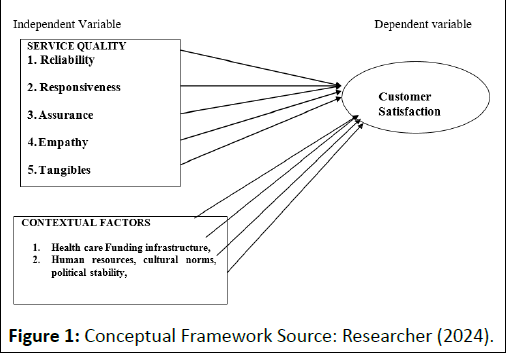
Figure 1: Conceptual Framework Source: Researcher (2024).
Results
Research design
Both descriptive and explanatory study design using quantitative methods were used to analyze data collected from customers. The reason behind using descriptive study design is because the researcher is interested in describing the existing situation under study. This study used descriptive analysis that describes the service quality dimensions that lead to customer satisfaction. This study also used explanatory study design to explain, understand, predict and control the relationship between variables.
A quantitative, cross-sectional research design using a survey approach was employed. This design allowed assessment of relationships between variables at a single point in time.
The study area and population of the study
Description of the study area: Batu town is in the state of Oromia and to the southeast of Addis Ababa, the capital of Ethiopia, with 163 kms. The town was established in 1950. It is a flat land area located at an altitude of average elevation of 1,646 meters above sea level, and it has a hot and windy climate.
Geographically, the town is located between 7°56" latitude North and 38°43" East longitude in the Great Rift Valley. Its total area is 5,306.73 hectares with a total population of 73,312. According to data obtained from the projection of the Central Statistical Authority. It has also a population growth rate is 2.9% and the crude population density of the town is 46 people per square km. Batu town is a region in Ethiopia with a diverse population and healthcare system.
Data source and collection method
A pre-tested, structured questionnaire with closed-ended questions was used to collect primary data from respondents. The questionnaire incorporated items to measure service quality dimensions and overall satisfaction adapted from SERVQUAL and previous studies.
For the proper achievement of the objectives of the study, the researcher used primary data sources. Primary data was collected using questionnaires. Questionnaires were distributed to the customers of the hospital. The variables measured using Likert scale with five response categories (strongly disagree, disagree, neither agree nor disagree, and agree strongly agree) (Supplementary File).
Validity and reliability test
Validity: This research finding is valid because it used a standardized questioner to gather data from the respondents. Reliability: Reliability is defined as be fundamentally concerned with issues of consistency of measures. Bryman and Bell. According to Hair, et al., if α is greater than 0.7, it means that it has high reliability and if α is smaller than 0.3, then it implies that there is low reliability. For the service quality dimensions’ questionnaire Cranach’s alpha for all the service quality dimensions is above 0.7 (Table 1).
| Service quality dimensions | Cronbach's Alpha |
| Tangibility | 0.957 |
| Reliability | 0.895 |
| Responsiveness | 0.913 |
| Empathy | 0.938 |
| Assurance | 0.856 |
Table 1: Cronbach's Alpha.
Data analysis
Data were entered into SPSS version 20 and analyzed using both descriptive and inferential statistics. Descriptive analysis involved frequencies, percentages, means, and standard deviations. Inferential analysis included Pearson's correlation and multiple linear regression to examine relationships between variables.
Ethical considerations
Ethical approval was obtained from the Institutional Review Board of Rift Valley University. Informed consent, anonymity, confidentiality, and the right to withdraw were ensured.
All information gotten from the respondents was treated with confidentiality without disclosure of the respondents’ identity.
Discussion
Data presentation and analysis
Socio-demographic characteristics of respondents: Out of the 299 questionnaires distributed to customers of Sher Ethiopia Hospital, 285 were filled correctly and returned to the researcher and the remaining 14 questionnaires were not correctly filled and responded to, the response rate is 95%. The demographic characteristics include gender, age, educational status, payment status, frequency of visit, and reason for visit of the 285 respondents, 114 (40%) were male and 171 (60%) of the respondents were female. 54% (153) of the respondents were between 18 to 28 years old whereas 28% (79) were from 29 to 39 years old. 15% (43) were from 40 to 50 years the remaining 3% (10) were above 50. Regarding educational level, 5.6% (16) were illiterate 49% (140) were primary school 74(26%) were secondary school 13 (4.6) percent were diploma graduates 12% (34) were first degree graduates and the rest 2.8% (8) were above degree graduates.
80% (228) of the respondents are getting treatment freely and 20% (57) are paying for the treatment. The results obtained from the structured questionnaires are represented in the Table 2 below.
|
|
Description |
Respondents |
||
|
No. |
Gender |
Frequency |
% |
|
|
1.
|
Male |
114 |
40 |
|
|
Female |
171 |
60 |
||
|
Total |
285 |
10 |
||
|
2.
|
Age |
|||
|
18-28 years |
153 |
54 |
||
|
29-39 years |
79 |
28 |
||
|
40-50 years |
43 |
15 |
||
|
Above 50 |
10 |
3 |
||
|
Total |
285 |
10 |
||
|
3.
|
Educational background |
|||
|
illiterate |
16 |
5.6 |
||
|
Primary school |
140 |
49 |
||
|
Secondary school |
74 |
26 |
||
|
|
Diploma |
13 |
4.6 |
|
|
First degree |
34 |
12 |
||
|
Second degree and above |
8 |
2.8 |
||
|
Total |
285 |
10 |
||
|
4 |
Getting treatment freely |
228 |
80 |
|
|
Paying for the treatment |
57 |
20 |
||
|
Total |
285 |
10 |
||
|
Frequency of visit |
New visit |
131 |
46 |
|
|
Repeated visit |
154 |
54 |
||
Table 2: Socio-demographic characteristics.
Based on the provided socio-demographic characteristics of the 285 respondents at Sher Ethiopia Hospital, the following brief conclusions can be drawn:
Response rate: With 285 out of the 299 questionnaires correctly filled and returned, the hospital achieved a high response rate of 95%, indicating good engagement from the customer base.
Gender distribution: The respondents were predominantly female, accounting for 60% of the sample, while males represented 40%. This suggests the hospital may have a higher percentage of female customers seeking their services.
Age distribution: Most respondents (54%) were between 18 to 28 years old, followed by 29 to 39 years old (28%). This indicates the hospital's customer base skews towards a younger demographic.
Educational status: Most respondents had primary (49%) or secondary (26%) education levels, while 5.6% were illiterate and 6.8% had a diploma or degree. This highlights the need to accommodate customers with varying educational backgrounds when providing services and information.
Payment status: A large majority (80%) of respondents received treatment for free, while the remaining 20% paid for the services. This suggests the hospital may offer subsidized or free healthcare options, which could contribute to its accessibility for lower-income individuals.
Frequency of visit: 154 (54%) repeat visit which have been useful to understand the hospital's customer retention and engagement patterns.
Overall, the socio-demographic data suggests Sher Ethiopia Hospital serves a diverse customer base, with a focus on younger, female patients, and a significant proportion of customers receiving free or subsidized healthcare services.
Findings
The study was intended to investigate the impact of customer service quality on customer satisfaction at Sher Ethiopia hospital based on the questionnaire consisting of the 285 respondents, 114 (40%) were male and 171 (60%) of the respondents were female. 54% (153) of the respondents were between 18 to 28 years old whereas 28% (79) were from 29 to 39 years old. 15% (43) were from 40 to 50 years the remaining 3% (10) were above 50. Regarding educational level, 5.6% (16) were illiterate, 49% (140) were primary school, 74 (26%) were secondary school, 4.6% (13) were diploma graduates 12% (34) were first degree graduates and the rest 2.8% (8) were above degree graduates.
80% (228) of the respondents are getting treatment freely and 20% (57) are paying for the treatment. The results of the descriptive statistical analysis also indicated that customers were most satisfied with the reliability dimensions of service quality followed by empathy and responsiveness.
However, customers were less satisfied with assurance and tangibility dimensions of service quality. The correlation result shows that there is a positive and significant relationship between all the service quality dimensions (tangibility, reliability, responsiveness, assurance and empathy). The finding also indicates that the highest relationship was found between assurance and customer satisfaction, while the lowest relationship was found between reliability and customer satisfaction. Furthermore, the multiple regression results showed that the five service quality dimensions (tangibility, reliability, responsiveness, assurance and empathy) have positive and significant effects on customer satisfaction. The R square value of 0.902 demonstrates that 90.2% of variation in customer satisfaction can be accounted by the service quality dimensions. The findings of this study also indicated that empathy is the most important factor to have positive effect on customer satisfaction, followed by responsiveness, tangibility, assurance and reliability. The general satisfaction level of customers with the service provided is 77.1%.
Conclusion
The study was conducted to examine the impact of customer service quality on customer satisfaction in Sher Ethiopia Hospital. The finding of the study indicates that customers of Sher Ethiopia hospital customers were satisfied by the five service quality dimensions (tangibility, reliability, responsiveness, assurance and empathy). The findings of the study also indicate that customers were most satisfied with the reliability dimensions of service quality. However, customers were less satisfied with assurance and tangibility dimensions of service quality. The correlation result shows that the five service quality dimensions (tangibility, assurance, responsiveness, empathy and reliability) are positively and significantly related to customer satisfaction.
The five service quality dimensions including tangibility, reliability, responsiveness, assurance and empathy have a positive and significant effect on customer satisfaction. The findings of this study also indicated that empathy is the most important factor in having a positive and significant effect on customer satisfaction. In addition to this, all the five service quality dimensions significantly explain the variations in customer satisfaction.
Recommendations
Based on the findings and conclusions of the study, the researcher forwards the following recommendations to the management of the hospital, along with suggestions for future research:
Enhance tangibility: The tangibility dimension was identified as a significant factor influencing customer satisfaction, yet patients expressed dissatisfaction in this area. The hospital management should invest in:
Improve assurance: Assurance emerged as a crucial factor, yet patient satisfaction was low. Strategies to enhance this dimension include:
Institutionalize patient satisfaction surveys: Implement periodic patient satisfaction surveys to gather feedback for continuous quality improvement. This feedback loop can help identify areas needing attention.
Collaborative efforts for improvement: The hospital administration and service-level managers should collaborate to enhance patient satisfaction, particularly by implementing government reform programs (BPR and BSC).
Proactive customer-centric approach: In a rapidly changing service environment, the hospital should adopt a proactive approach to meet customer needs and preferences. This includes maintaining a customer-centered perspective in management strategies.
Address dissatisfaction: With 15% of respondents expressing dissatisfaction, the hospital should focus efforts on understanding and addressing the causes of this dissatisfaction, as customer satisfaction is a key driver of performance.
Comprehensive focus on service quality dimensions: Since the five service quality dimensions’ account for 90.2% of variance in customer satisfaction, the hospital should work on improving all dimensions collectively to enhance and maintain patient satisfaction.
By implementing these recommendations, Sher Ethiopia Hospital can improve patient satisfaction and overall service quality, while also providing a foundation for further research in this critical area of healthcare delivery.
Declaration
I, Shumi Abe, hereby declare that the thesis entitled "Assessing the Effect of Medical Service Quality on customer Satisfaction in Sher Ethiopian Hospital, Batu" is my original work. This thesis has not been presented for a degree in any other university, and all sources of materials used for the thesis have been fully acknowledged.
The research methodology, data collection, analysis, and findings presented in this thesis are entirely my own work. I have made every effort to ensure the accuracy and reliability of the information provided, and I have strictly adhered to ethical research practices throughout the study.
Acknowledgment
First and foremost, I would like to express my deepest gratitude to the Almighty God for His unwavering guidance, blessings, and the strength He has provided me throughout the arduous journey of completing this thesis. I extend my sincere appreciation to the School of Graduate Studies at Rift Valley University (RVU) for establishing the fertile ground and enabling environment that facilitated the preparation and successful completion of this research work. The university's commitment to supporting graduate-level research has been instrumental in shaping my academic endeavors.
References
- Abebe B, Girum T, Yared M (2008) Levels of outpatient satisfaction at selected health facilities in six regions of Ethiopia. Ethiop J Health Dev 22:43-48
- Afework S (2003) Assessment of quality of services in private clinics in Addis Ababa. Ethiop Med J 41:267-278
[Google Scholar] [PubMed]
- Al-Hawary SIS, Alhamali MR, Alghanim AS (2011) Banking service quality provided by commercial banks and customer satisfaction. Am J Sci Res 27:68- 83
- Andaleeb SS (2000) Service quality in public and private hospitals in urban Bangladesh: a comparative study. Health Policy 53:25-37
[Crossref] [Google Scholar] [PubMed]
- Anderson C, Zeithaml CP (1984) Stage of the product life cycle, business strategy, and business performance. Acad Manag J 27:5-24
- Anderson EW, Fornell C, Lehmann DR (1994) Customer satisfaction, market share and profitability: findings from Sweden. J Mark 58:53-66
- Assefa F, Mosse A, H/Michael Y (2011) Assessment of clients’ satisfaction with health service deliveries at Jimma University Specialized Hospital. Ethiop J Health Sci 21:101-109
[Crossref] [Google Scholar] [PubMed]
- Babakus E, Mangold WG (1992) Adapting the SERVQUAL Scale to Hospital Services. Health Serv Res 26:6
[Google Scholar] [PubMed]
- Babakus E, Boller GW (1992) An empirical assessment of the Servqual scale. J Bus Res 24:253-268
Open Access Journals
- Aquaculture & Veterinary Science
- Chemistry & Chemical Sciences
- Clinical Sciences
- Engineering
- General Science
- Genetics & Molecular Biology
- Health Care & Nursing
- Immunology & Microbiology
- Materials Science
- Mathematics & Physics
- Medical Sciences
- Neurology & Psychiatry
- Oncology & Cancer Science
- Pharmaceutical Sciences